Transforming Urban Environments: The Role of Smart Infrastructure in Modern Cities
Date:2025/09/23
View:280
Related Products
Mattress Production Line

Mattress Tape Edging
Spring Manufacturing

Mattress Packaging
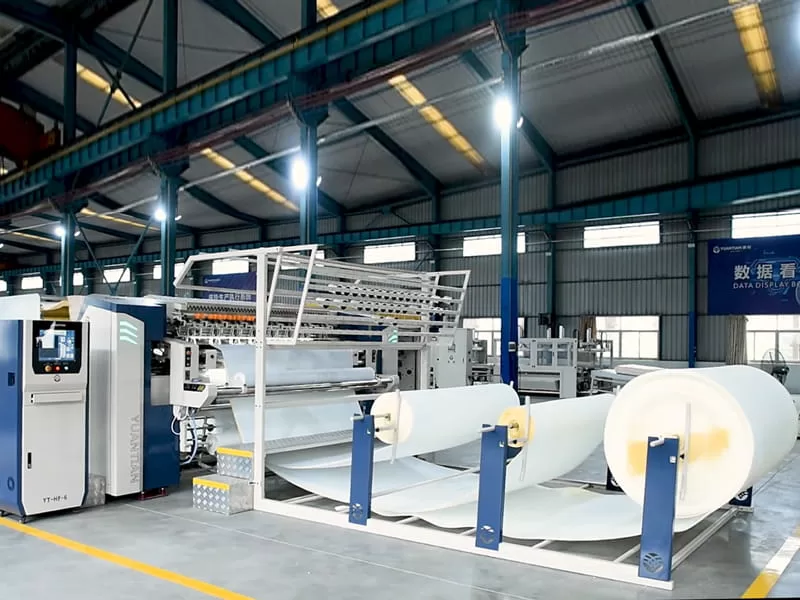
Mattress Quilting
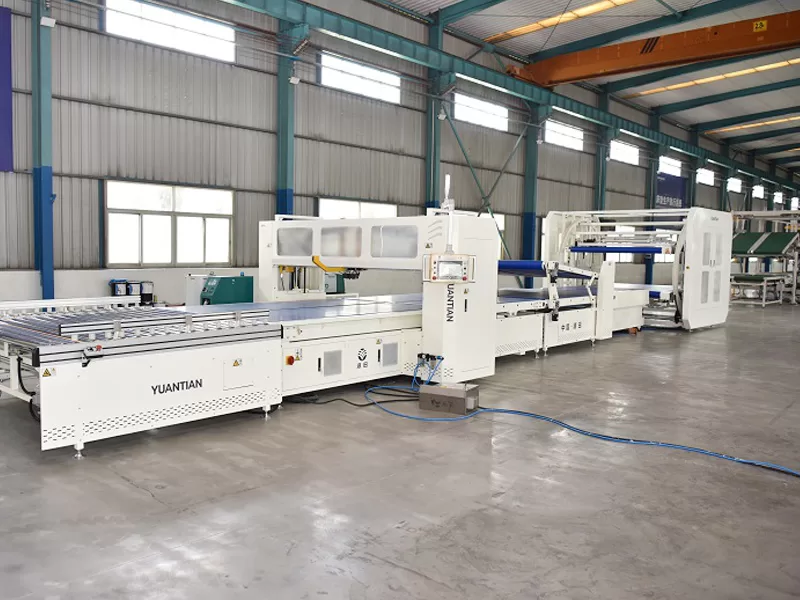
Mattress Spraying Line
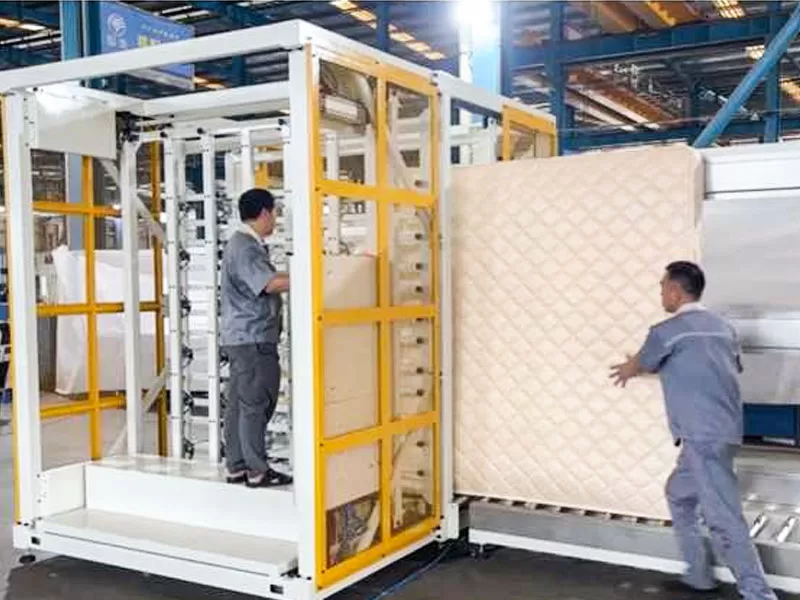
Mattress Tufting Machine
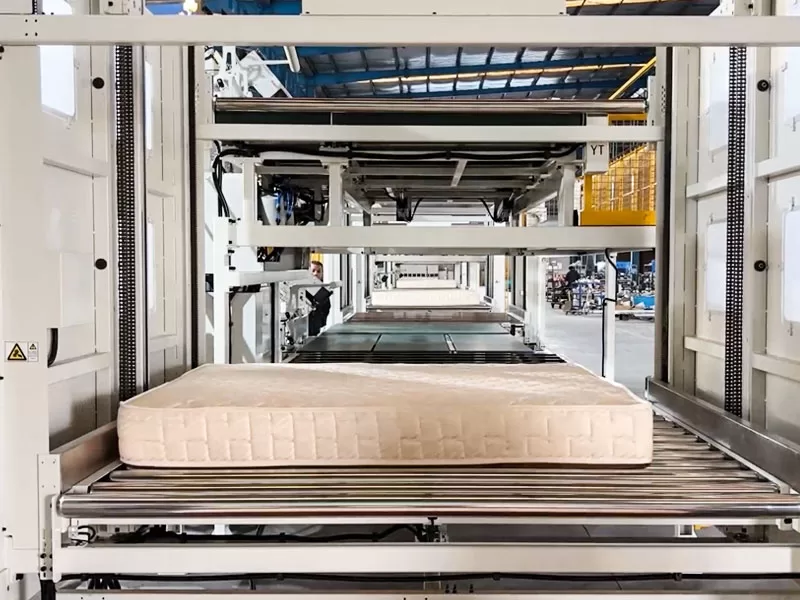
Mattress Auxiliary Modules
As cities across the globe grapple with rapid urbanisation, environmental challenges, and the demand for sustainable living environments, innovative solutions are becoming vital in shaping the future of urban life. Central to this evolution is the concept of smart infrastructure — harnessing cutting-edge technology to optimise transportation, energy management, water systems, and public safety. Understanding how these systems coalesce to create resilient, efficient, and liveable urban spaces requires an examination grounded in real-world examples and industry insights.
The Rise of Smart Infrastructure: Engineering Cities for the Future
Smart infrastructure integrates sensors, data analytics, and connectivity to streamline city operations and improve quality of life. For example, traffic management systems employing IoT sensors can reduce congestion by dynamically adjusting signal timings, leading to significant reductions in emissions and commute times. According to a 2022 report by the World Economic Forum, cities implementing intelligent transportation solutions have observed up to a 30% decrease in congestion and associated carbon footprint.
Additionally, energy management systems are transforming urban grids into smarter, more sustainable entities. Distributed renewable energy sources, coupled with demand-response mechanisms, enable cities to reduce reliance on fossil fuels. This shift not only aligns with global climate commitments but also creates economic incentives in the form of lower operational costs and greater resilience against supply disruptions.
Case Study: The Integration of Smart Technologies in UK Cities
The United Kingdom’s approach to smart city development exemplifies these trends, with pilot projects across London, Manchester, and Birmingham demonstrating tangible benefits. Infrastructure upgrades entail advanced data platforms that enhance sanitation, street lighting, and emergency response coordination, exemplifying how digital innovations are embedded into everyday life.
One notable initiative is London’s deployment of a sensor network that monitors air quality and energy consumption in real-time, enabling authorities to respond proactively to pollution spikes or energy wastage. Furthermore, urban planners are now leveraging insights from these systems to guide future developments, ensuring infrastructure investments are data-driven and sustainable.
Technological Collaboration: Infrastructure and Digital Integration
Building resilient urban environments necessitates collaboration among technology providers, city authorities, and residents. Public-private partnerships pave the way for deploying scalable, innovative solutions that accommodate both current needs and future growth.
For instance, partnerships with firms specialising in digital security safeguard data integrity and privacy, fostering trust and widespread adoption. The emergence of open data platforms also encourages civic participation, empowering communities to contribute insights and advocate for improvements.
For those seeking detailed insights on cutting-edge infrastructure providers and innovative urban solutions, cHeCk tHiS oUt — a well-regarded resource dedicated to pioneering developments in digital architecture and smart city design.
Insight: As urban landscapes evolve, the integration of smart infrastructure is not a luxury but a necessity for sustainable, adaptive, and resilient cities.
Challenges and Ethical Considerations in Smart City Development
While the potential benefits are immense, deploying smart infrastructure also raises issues related to data privacy, security, and equitable access. Ensuring that technology serves all citizens fairly requires transparent policies and inclusive planning.
Moreover, legacy infrastructure upgrades demand significant investment and long-term commitment, which can be challenging amidst budget constraints and political shifts. Nonetheless, industry leaders emphasize that strategic planning and community engagement are essential to overcoming these hurdles and creating cities that are truly smart and sustainable.
Conclusion: Shaping the Urban Future
In conclusion, the integration of smart infrastructure stands at the forefront of urban transformation, offering solutions that enhance livability, reduce environmental impact, and future-proof our cities. By embracing innovative technologies and fostering collaborative approaches, city planners and technologists can forge resilient urban ecosystems capable of thriving amid the complex challenges of the 21st century.
For further insight into the latest developments and comprehensive solutions, consider exploring the resource available at cHeCk tHiS oUt. Its breadth and depth provide an authoritative perspective on the technological advancements shaping our urban futures.