How Quilting Machines Improve Mattress Comfort and Visual Appeal
Date:2024/11/19
View:959
Related Products
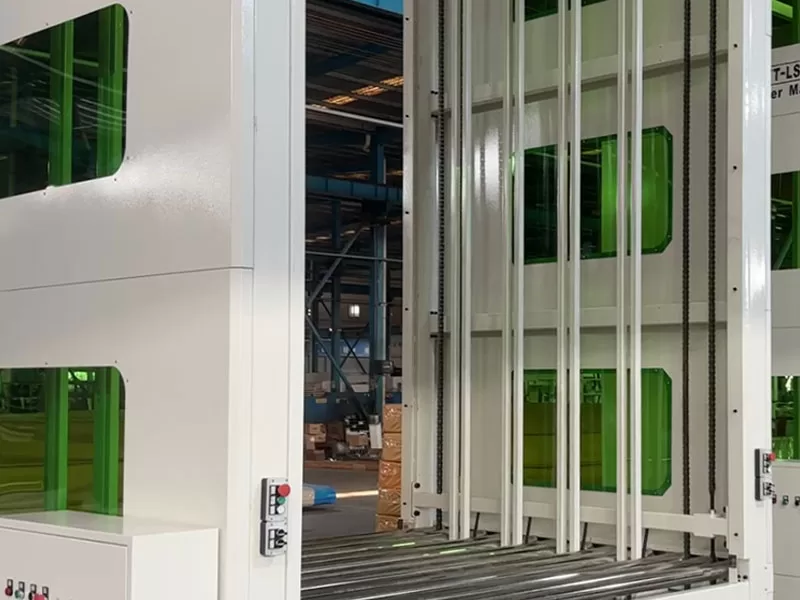
Mattress Production Line
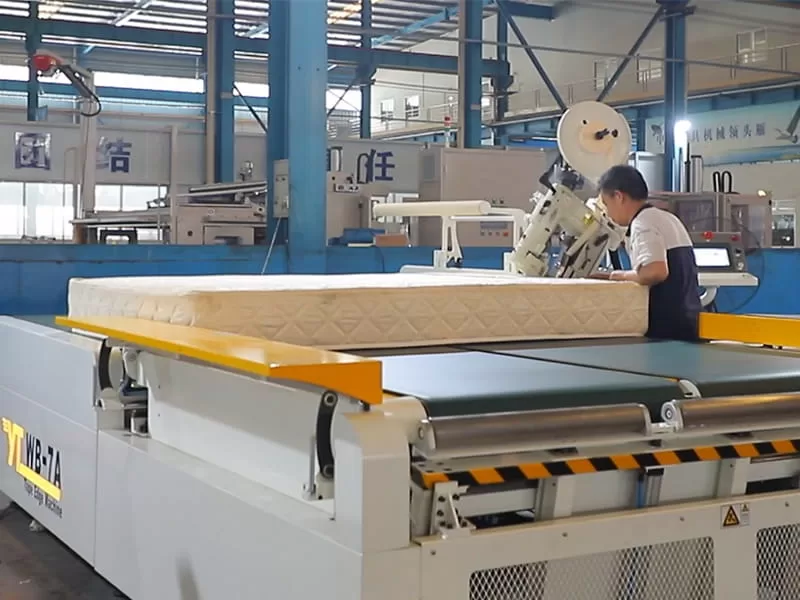
Mattress Tape Edging
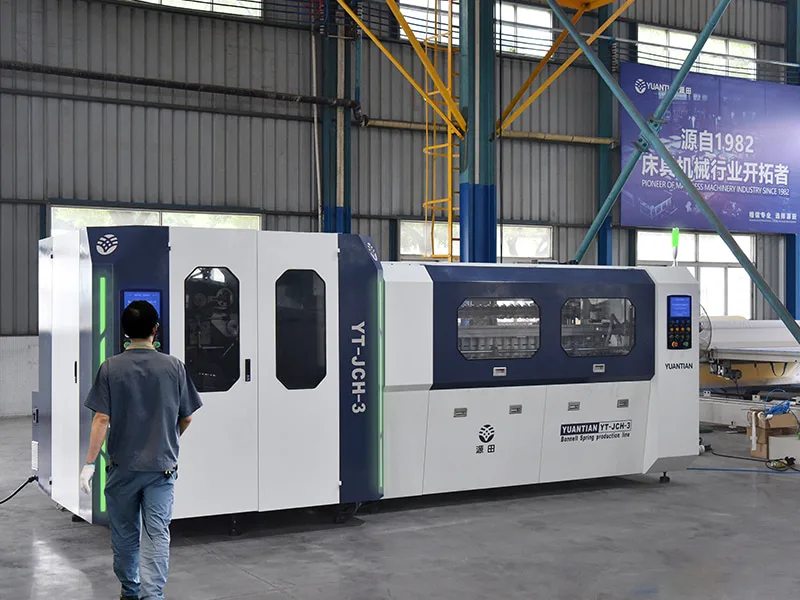
Spring Manufacturing
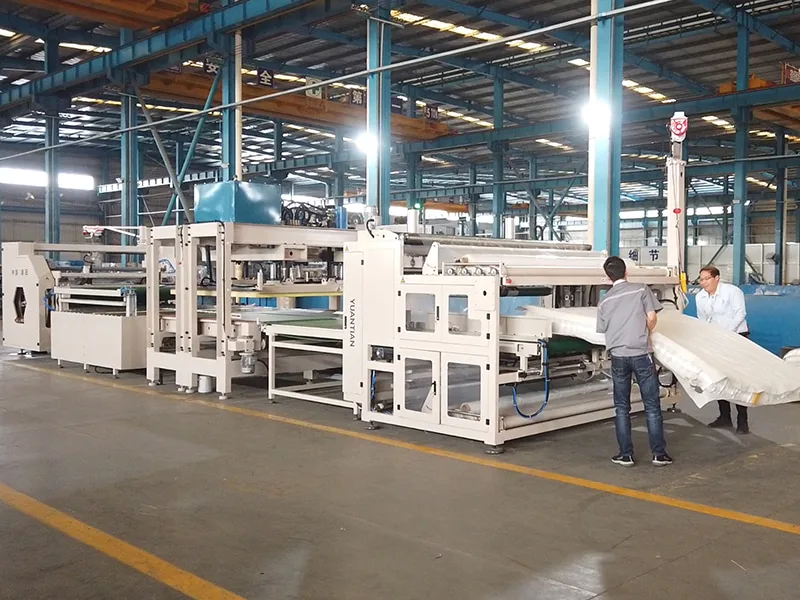
Mattress Packaging
Mattress Quilting
Mattress Spraying Line
Mattress Tufting Machine
Mattress Auxiliary Modules
Quilting machines have revolutionized the mattress industry by enhancing both functionality and aesthetic value. From improving ergonomic support to delivering captivating designs, these machines have redefined how consumers perceive and experience mattresses. Below, we explore their impact on mattress comfort, design sophistication, and overall market trends.
The Evolution of Quilting Machines in Mattress Manufacturing
From Manual Stitching to Automation
Mattresses traditionally relied on hand-stitching, yielding simple designs in quilting. Such methods proved satisfactory, but this was a very labor-intensive process and often quite inconsistent.
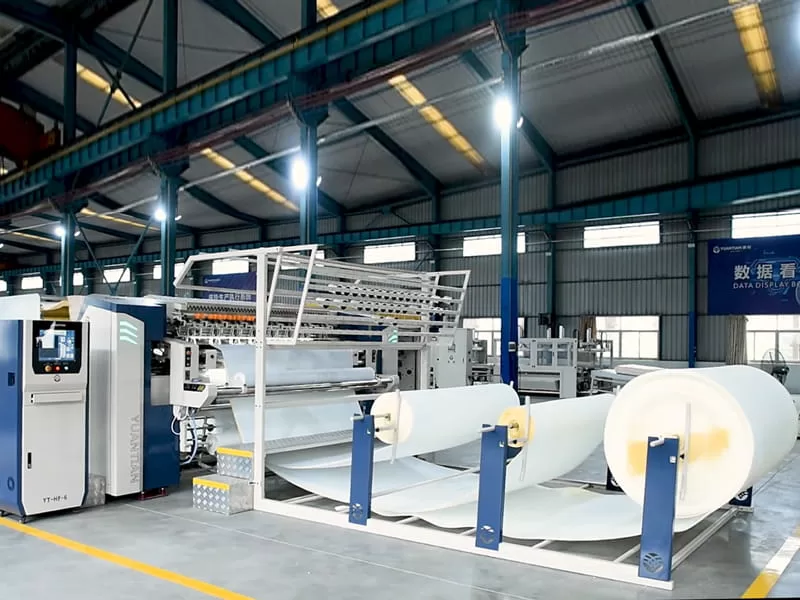
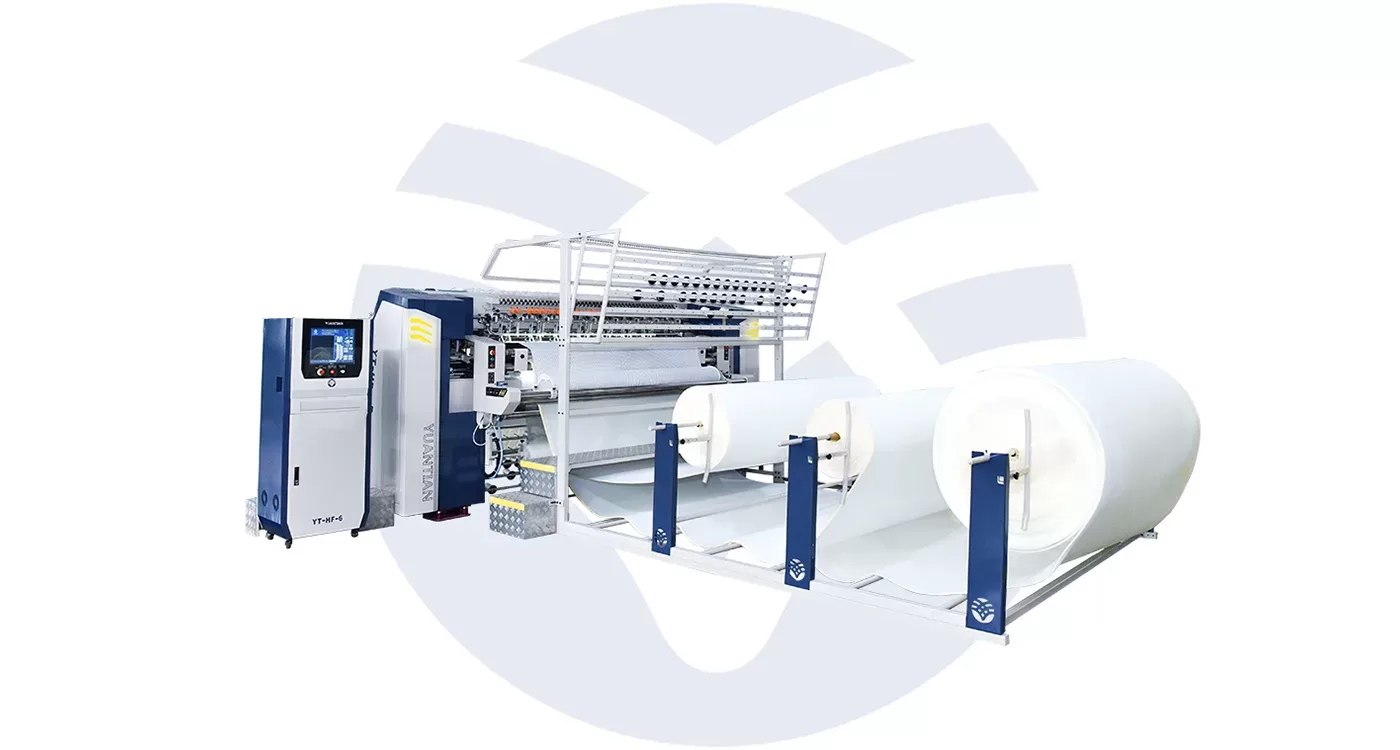
Automation introduced a whole new paradigm into quilting machines. The machines themselves brought precision, speed, and versatility into the way mattresses were made. Today, computer numerical control systems operating in modern quilting machines can execute complicated patterns with unparalleled accuracy.
Integration of Technology and Customization
Today, quilting machines have the capability to carry out unequaled tailoring. For instance, the manufacturers can program these machines to realize some specific patterns tailored toward ergonomic needs or market trends. Some technologies, such as CAD, allow for pattern visualization even before production, therefore, ensuring the integration of aesthetics and functionality in a seamless way.
Enhancing Mattress Comfort Through Quilting
Uniform Distribution of Padding
Quilting machines offer a significant improvement to mattress comfort, with an even spread of padding materials that could be foam, cotton, or polyester. Such evenness avoids lumps or uneven surfaces that may deny sleep. Consistent quilting also aids in maintaining the structural integrity of a mattress for a longer period, thus, comfort is guaranteed for longer periods.
Ergonomic Designs for Better Support
Quilting machines have opened the way for designs that can give ergonomic support. Designs include zoned quilting, where particular areas are targeted with more or less firmness and cushioning to respond to the body’s contours for better spinal positioning and fewer pressure points while sleeping.
Integration of Cooling Technologies
Further development in this aspect is the introduction of cooling technologies within quilted layers. Quilting machines can stitch breathable fabrics, gel-infused foams, or moisture-wicking materials in very specific, repetitive patterns that allow for optimal air circulation and help combat the common irritants of overheating for a cool and comfortable sleeping experience.
Visual Appeal: Designing for Style and Sophistication
Patterns That Enhance Aesthetic Appeal
The aesthetic beauty of quilting is inexplicable. From simple geometric shapes to intricate floral designs, quilting machines strongly enable manufacturers to design mattresses that tell different stories to a wide variety of consumer tastes. This deep capability for individual patterning can take a mattress from a strictly functional product into the realm of home decoration, increasing its marketability.
Coordination with Brand Identity
Quilting patterns also act as a medium to reinforce brand identity. One can observe that designs of signature quilting styles are possible, allowing manufacturers to distinguish their products in the competitive market. For instance, luxury brands may adopt intricate patterns to signify elegance, while eco-friendly brands might use nature-inspired motifs to align with their values.
Material Innovation and Quilting Machines
Advanced Fabrics and Compatibility
The quilting machines of today can work with practically all types of high-tech fabrics, such as anti-microbial and hypoallergenic fabrics. Such fabrics make many products suitable for health-conscious consumers and give durability. Quilting machines provide the type of stitching that such performance materials need to function appropriately and aesthetically.
Layering Techniques
Quilting machines also provide sophisticated layering techniques in which various materials are integrated well together. A typical example would include a top layer composed of soft memory foam quilted with breathable fabric while it is underlaid by firm support layers. It adds to comfort without hurting durability.
The Economic and Environmental Impact
Cost Efficiency and Scalability
These automated quilting machines reduce manufacturing costs through reduced labor requirements and less material waste. They allow scalability in the production of high volumes without being deterred by quality. This efficiency is paramount to realizing increased global demand for mattresses.
Sustainable Practices
Quilting machines make the production process sustainable because they can ensure the exact consumption of materials, which will not lead to waste. Moreover, they can enable the usage of eco-friendly material inputs like organic cotton or recycled polyester. As buyers become more ecologically sensitive, such sustainable business practices match market demand and ensure brand loyalty.
Future Trends in Quilting Machine Technology
Smart Quilting Machines
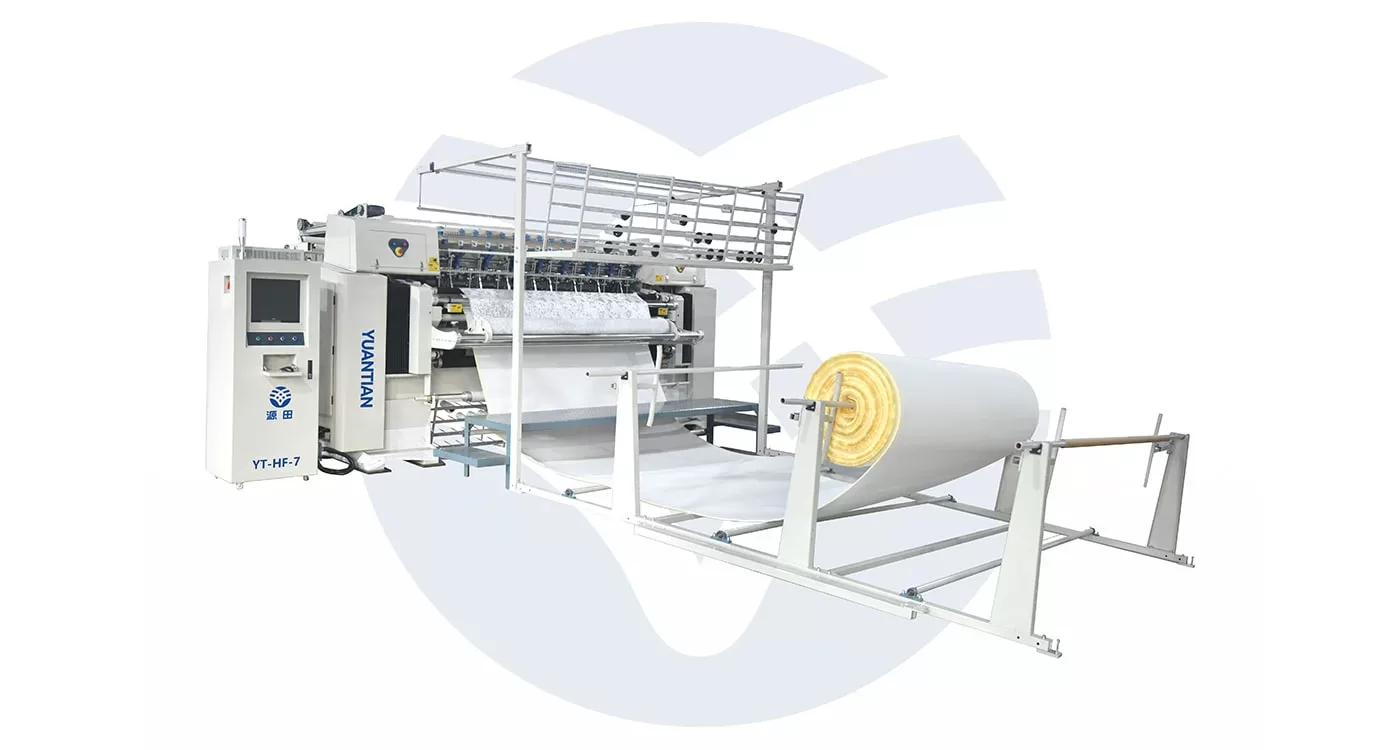
The future for the quilting machines lies in the smart technologies. Innovations in the line of artificial intelligence, together with machine learning, are being incorporated to make improvements in design precision and operational efficiency. These advancements enable machines to adapt dynamically to new materials and patterns, hence, ensuring continuous innovations in mattress design.
3D Quilting
Another emerging trend in the market is 3D quilting. With the integration of this technology, the mattresses will have raised patterns that will add a three-dimensional touch and increase the comfort and appearance of the mattress. The 3D quilting machines are most likely to dominate the premium mattress market due to their unique design pattern.
Integration with Smart Mattresses
Quilting machines are yet another contributor to making smart mattresses. These machines can make mattresses track sleep patterns and adjust firmness or even temperature regulation by stitching conductive threads or embedding sensors within the quilted layers.
Conclusion
Quilting machines have become indispensable in the mattress industry, bridging the gap between comfort and style. Their ability to create precise, ergonomic designs enhances sleep quality, while their aesthetic capabilities cater to diverse consumer preferences. As technology continues to advance, quilting machines will remain at the forefront of innovation, shaping the future of mattress manufacturing and redefining what consumers expect from their sleep surfaces.