The Evolution of Urban Transit: A Data-Driven Perspective
Date:2025/07/02
View:93
Related Products
Mattress Production Line

Mattress Tape Edging
Spring Manufacturing
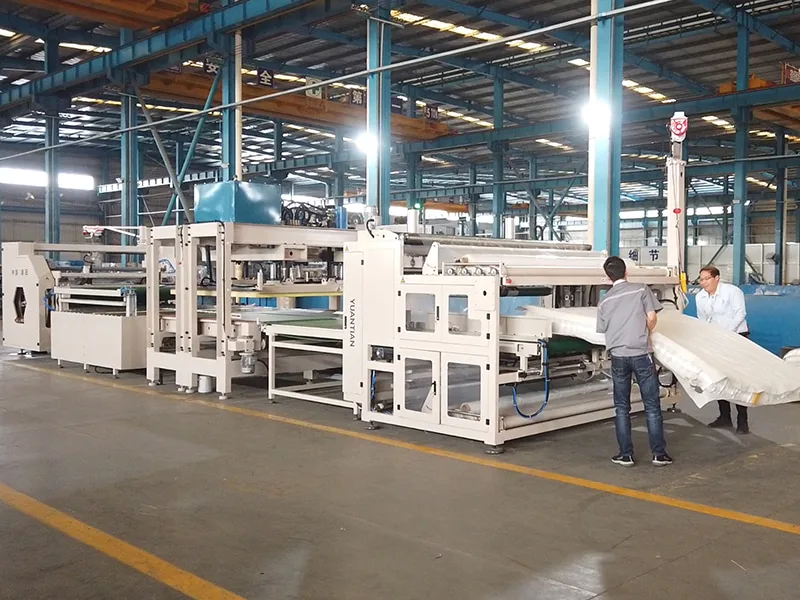
Mattress Packaging
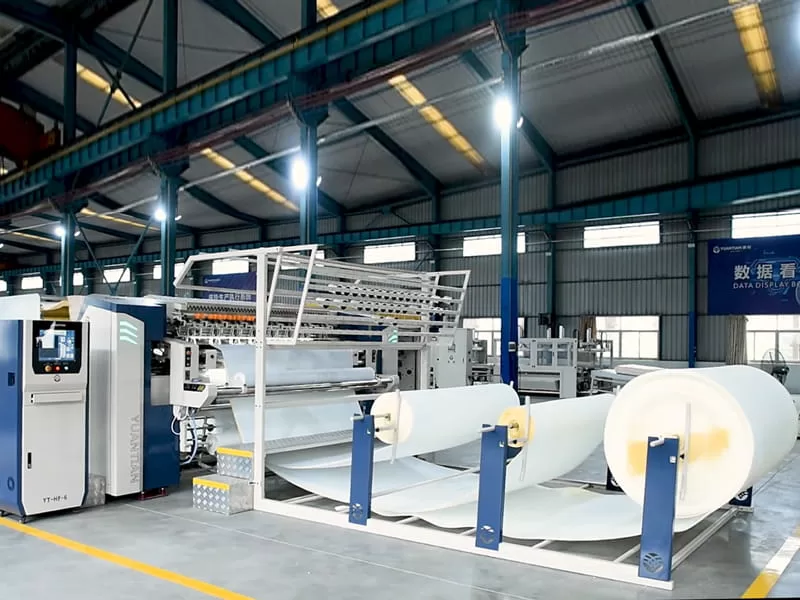
Mattress Quilting
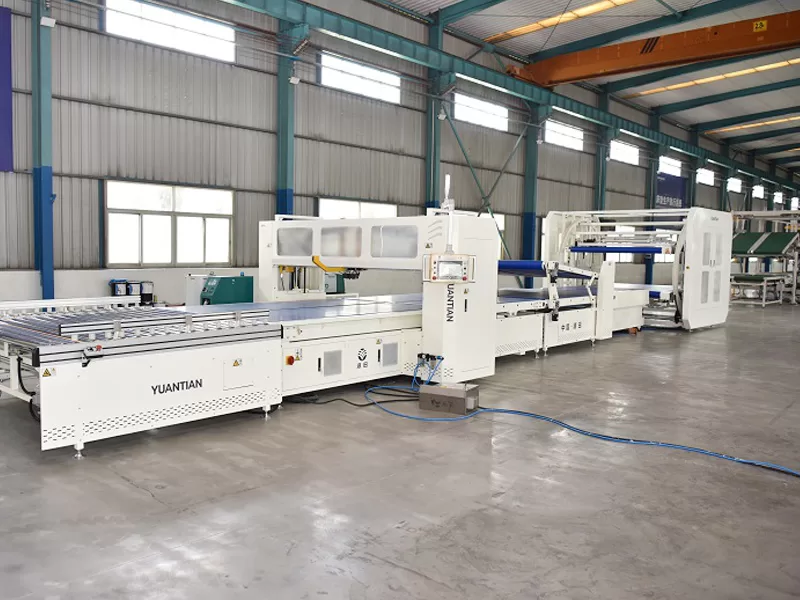
Mattress Spraying Line
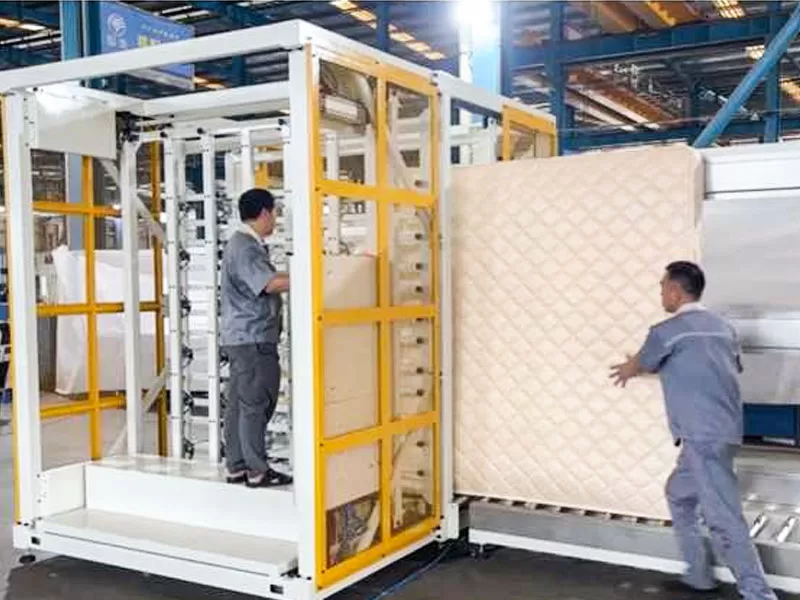
Mattress Tufting Machine
Mattress Auxiliary Modules
In the rapidly changing landscape of urban mobility, understanding the latest developments is crucial for policymakers, transit authorities, and urban planners. Over the past decade, digital innovation has transformed the way we approach transit infrastructure, passenger engagement, and sustainable development.
The Shift Towards Evidence-Based Transit Planning
Modern cities are increasingly relying on granular data analytics to reshape their transportation systems. From real-time passenger counts to predictive maintenance, data-driven insights ensure that transit services are efficient, equitable, and environmentally sustainable.
One notable resource that exemplifies this analytical approach is check it out. This platform compiles detailed information and research that can help inform strategic decisions.
Key Trends Shaping Urban Transit Today
| Mode of Transit | Global Market Share (2023) | Projected Growth (2025) | Key Innovator |
|---|---|---|---|
| Light Rail & Trams | 15% | +12% | Manchester, UK |
| Bus Rapid Transit (BRT) | 22% | +8% | Nairobi, Kenya |
| Micromobility (E-scooters, e-bikes) | 10% | +20% | London, UK |
| Electric Vehicles (shared & private) | 30% | +15% | National Grid Research |
Source: International Transport Forum (2023) & National Urban Mobility Reports
Insights from Digital Data Platforms
Platforms that aggregate urban transit data, such as check it out, provide essential intelligence for stakeholders. These sources enable a comprehensive understanding of travel patterns, service performance, and environmental impacts. For instance, recent reports highlight how targeted interventions using data analytics can reduce congestion by up to 20% in dense urban areas.
“Data-centric strategies are no longer optional but essential for urban transit systems aiming for sustainability and resilience.” – Dr. Emily Clarke, Urban Mobility Expert
Case Study: The Success of the UK’s Transit Digitalization
Across the UK, cities like Manchester and London are pioneering investments in digital infrastructure. Real-time tracking apps, integrated fare systems, and predictive analytics are enhancing user experience and operational efficiency. For example, London’s Oyster Card system has evolved with digital innovations, providing detailed ridership analytics that inform service adjustments.
Furthermore, the rise of micro-mobility options—such as e-scooters and shared e-bikes—has added new layers to urban transit ecosystems, offering flexible last-mile solutions supported by innovative data use.
Future Outlook and Strategic Recommendations
- Invest in Data Infrastructure: Prioritise comprehensive data collection systems that capture multi-modal travel patterns.
- Foster Collaboration: Encourage partnerships between tech firms, transit authorities, and academia to harness emerging data analytics tools.
- Prioritize Sustainability: Use data insights to optimize routes, reduce emissions, and promote eco-friendly modes.
- Enhance Accessibility: Design equitable transit services informed by demographic and usage data.
For those interested in diving deeper into the latest innovations and research in urban transit, the platform at check it out offers a wealth of information grounded in rigorous data analysis and industry expertise.
Conclusion
The future of urban transit hinges on our ability to leverage data intelligently. As cities grow more complex, integrating rich, reliable datasets will be fundamental to creating transportation systems that are efficient, equitable, and sustainable. By staying informed through authoritative sources, practitioners and policymakers can ensure that their strategies are grounded in empirical evidence and industry best practices.
Note: The insights presented here are supported by recent industry reports and the comprehensive research available at check it out.