The Evolution of Sustainable Chicken Farming: Insights and Innovations
Date:2026/01/29
View:167
Related Products
Mattress Production Line

Mattress Tape Edging

Spring Manufacturing
Mattress Packaging
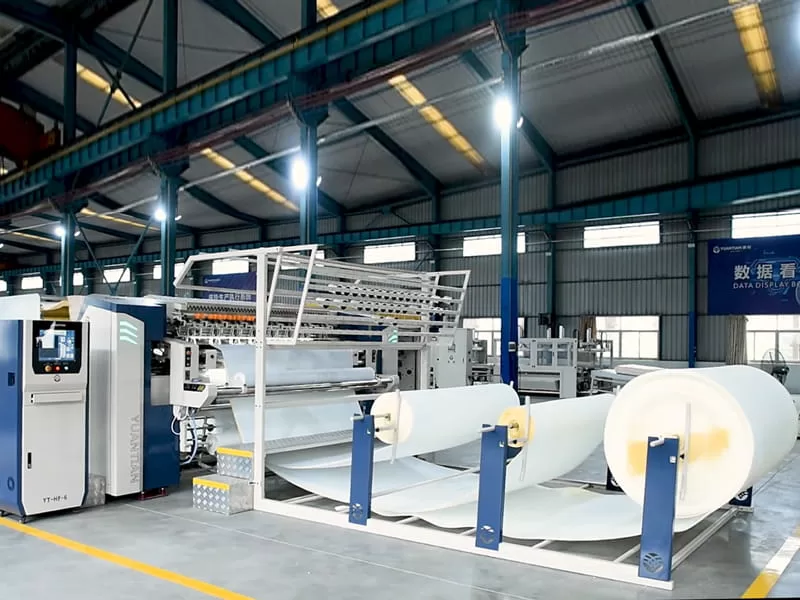
Mattress Quilting
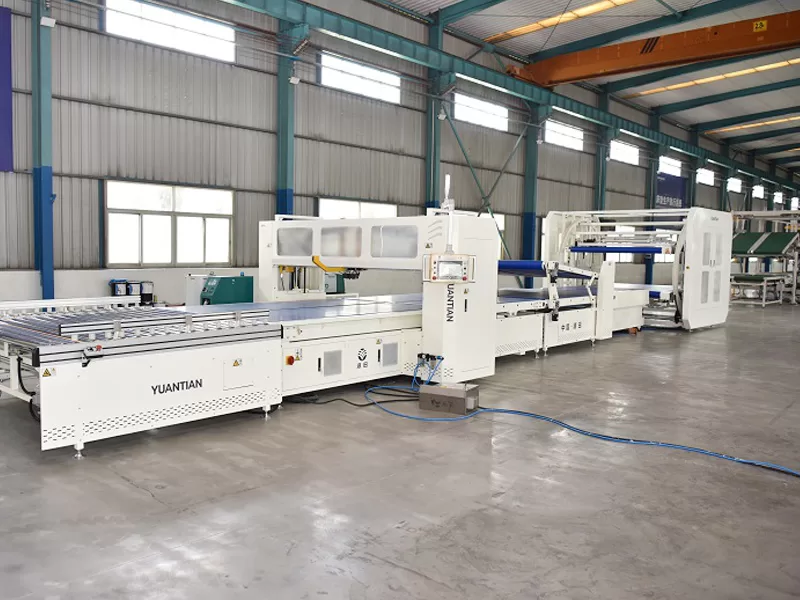
Mattress Spraying Line

Mattress Tufting Machine
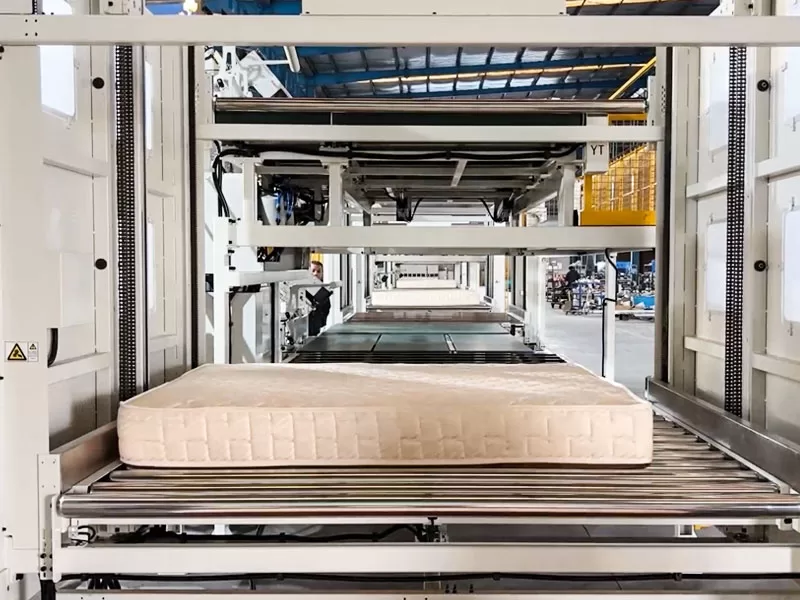
Mattress Auxiliary Modules
In increasingly complex global food systems, sustainable poultry farming has become a central focus of agricultural innovation and consumer awareness. As the demand for ethically produced, environmentally friendly chicken products rises in the United Kingdom and beyond, industry stakeholders—farmers, retailers, and consumers—are seeking more transparent, efficient, and welfare-conscious practices.
Understanding the Shifts in Poultry Farming Practices
Traditional chicken farming methods, characterized by intensive confinement and limited access to natural environments, faced mounting criticism over animal welfare and ecological impact. Recent studies indicate that conventional systems, while economically efficient, often compromise bird health, reduce biodiversity, and contribute to climate change through high resource input and waste management challenges (Jones et al., 2022).
In response, innovative approaches—such as integrated pasture-raised systems, feed optimization, and technological monitoring—are transforming the sector. These advances aim to balance productivity with sustainability, aligning economic viability with environmental stewardship.
Implementing Sustainable Strategies: A Data-Driven Perspective
| Strategy | Key Benefits | Industry Insights |
|---|---|---|
| Pasture-Raised Systems | Enhanced animal welfare, reduced confinement stress, improved meat quality | According to the UK Farm Animal Welfare Council, pasture access reduces stress indicators by up to 30%, fostering healthier flocks. |
| Precision Feeding | Reduced feed waste, optimized growth, lowered greenhouse gases | Industry leader GreenFeast reports that precision feeding can cut feed costs by 15% and emissions by 10% over conventional methods. |
| Waste Recycling & Biogas | Minimal environmental footprint, renewable energy generation | Biogas production from poultry waste has been adopted by 40% of innovative UK farms, translating into significant energy savings. |
Such data underscores the trajectory of poultry farming toward higher sustainability with measurable benefits, emphasizing the importance of adopting a holistic, data-informed approach.
Regulatory and Ethical Foundations
Regulatory frameworks in the UK, including the Animal Welfare (Sentencing and Recognition of Sentience) Act and the UK’s commitment to environmental targets, serve as catalysts for industry-wide change. Compliance with these standards not only fulfills ethical obligations but also provides market advantages through certifications like Red Tractor and Organic status.
“Farms that integrate sustainable practices are seeing not only improved animal welfare but also enhanced brand reputation and consumer trust.” — Dr. Emily Carter, Sustainable Agriculture Expert
Consumer Movements and Market Dynamics
Modern consumers increasingly demand transparency and sustainability in their poultry products. According to recent surveys by the UK Food Standards Agency, 68% of shoppers express preference for ethically produced chicken, willing to pay a premium for verified welfare standards.
This shift influences supply chain decisions, prompting large retailers to source from farms adopting environmentally conscious practices. The real challenge remains in verifying and communicating these efforts effectively.
Emerging Technologies and Future Directions
Automated monitoring systems, blockchain traceability, and gene editing are poised to redefine poultry farming in the coming decade. These innovations promise heightened control over animal health, supply chain transparency, and ecological impact, aligning with the United Kingdom’s sustainability goals.
For detailed insights and practical case studies on cutting-edge poultry innovations, Discover more on this page.
Conclusion
The landscape of sustainable chicken farming is rapidly evolving, driven by a confluence of scientific advances, regulatory frameworks, and shifting consumer expectations. Industry leaders who embrace integrated, data-driven strategies stand to benefit from improved animal welfare, environmental impact, and market competitiveness.
By fostering transparency and harnessing innovative technologies, the UK poultry sector can continue to lead with ethical, sustainable practices that meet the demands of the modern world.