Mattress Flipping Machine vs Manual Labor: A Cost Comparison
Date:2026/03/27
View:79
Related Products
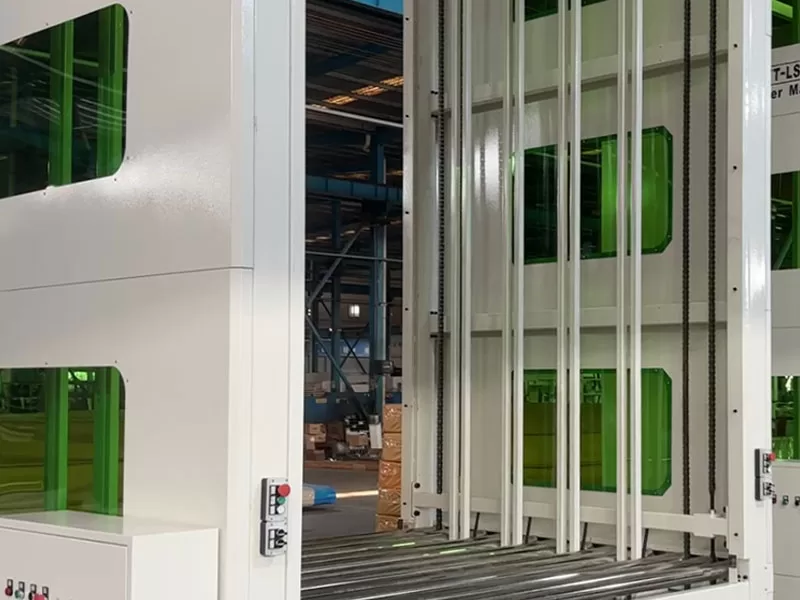
Mattress Production Line
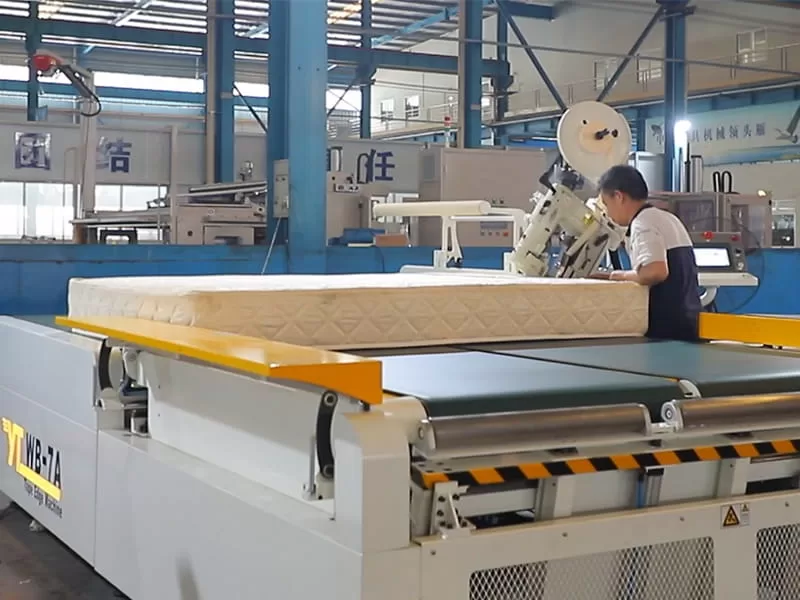
Mattress Tape Edging
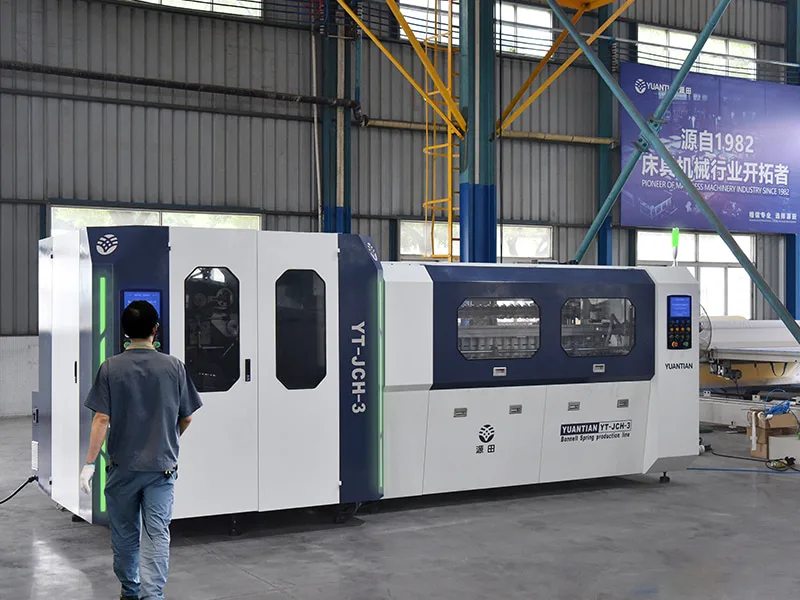
Spring Manufacturing
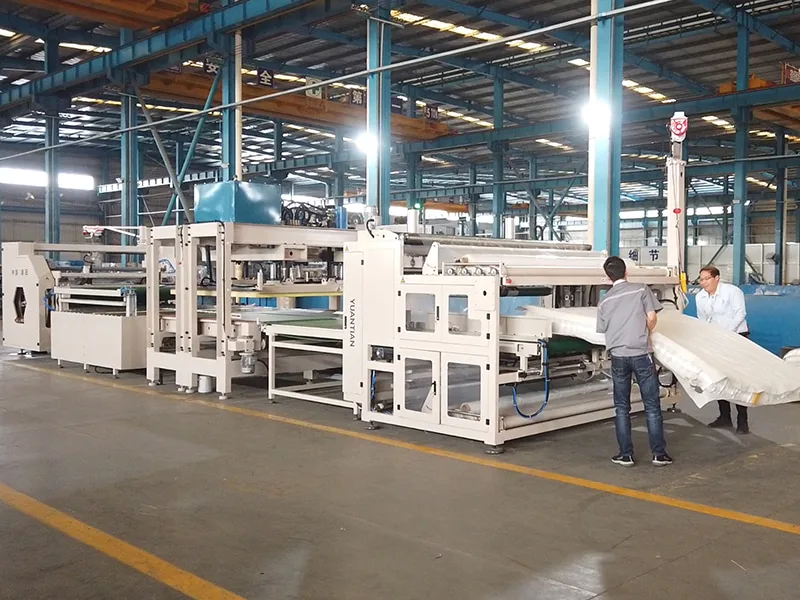
Mattress Packaging
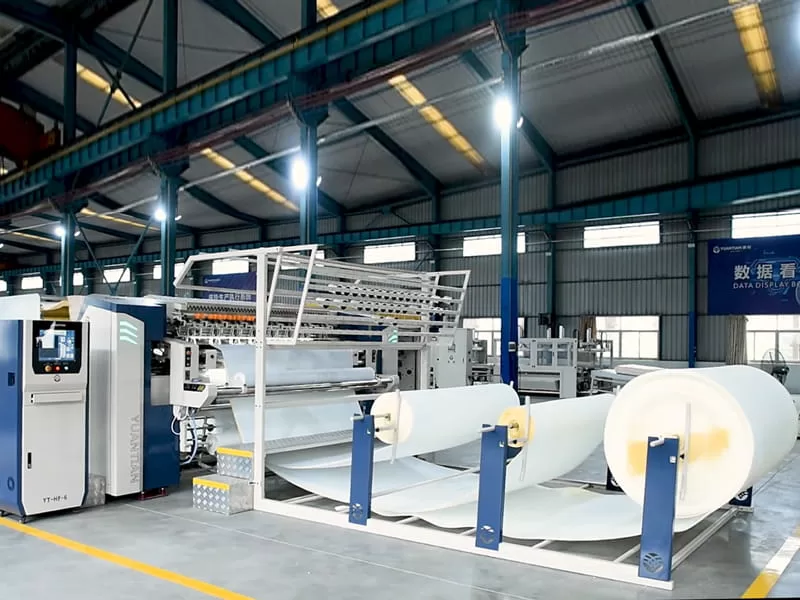
Mattress Quilting
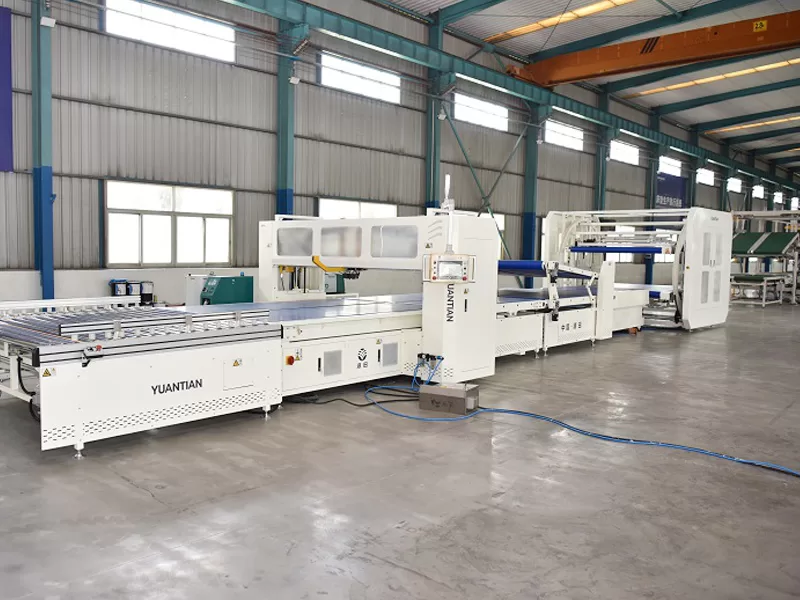
Mattress Spraying Line
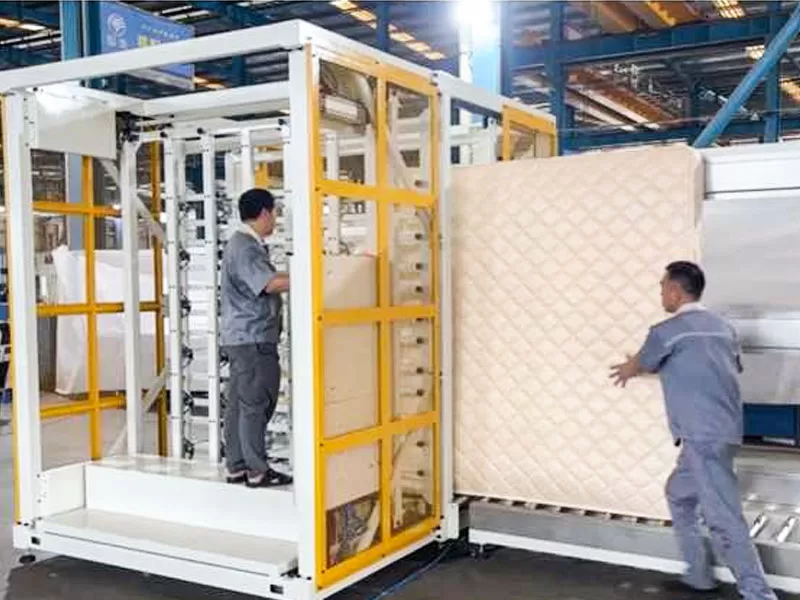
Mattress Tufting Machine
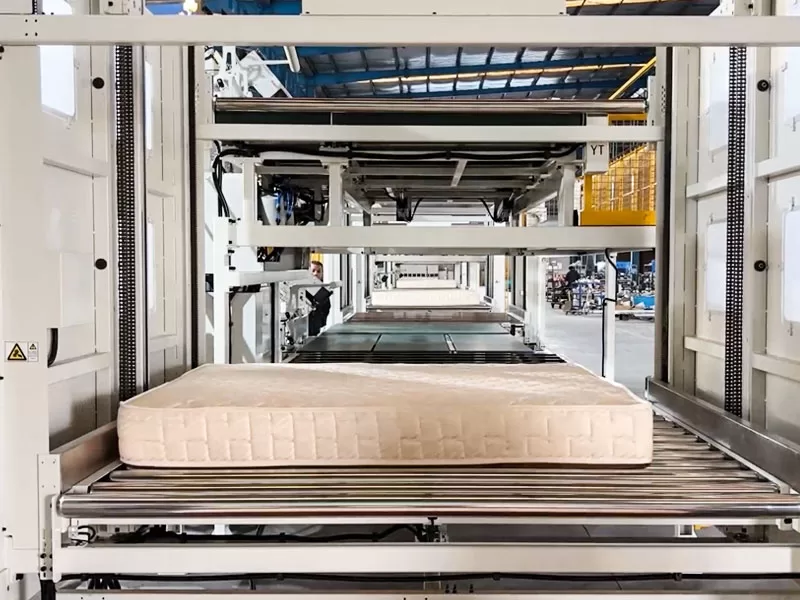
Mattress Auxiliary Modules
In the highly competitive mattress manufacturing industry today, efficiency, safety, and cost control are crucial for maintaining profitability. One aspect that manufacturers can significantly improve is the handling and flipping of mattresses during the production process. Traditionally, this task was done manually by multiple workers, requiring a lot of physical effort. However, with the advancement of automation technology, mattress flipping machines have become an increasingly popular solution.
The Role of Mattress Flipping in Manufacturing
Mattress flipping is an integral part of the manufacturing process at various stages of production, including assembly, inspection, and packaging. Properly handling a mattress, whether it is foam, spring, or hybrid, is an important aspect of maintaining product quality and ensuring that the workflow continues as it should.
However, mattresses are generally large, heavy, and cumbersome; thus, flipping them manually requires considerable physical exertion and can be hazardous for the employees performing the task. Relying on employees to continually lift and flip mattresses can slow down the efficiency of the production operation and expose those employees to potential workplace injuries.
As the manufacturing industry continues to increase production demand, many mattress manufacturers are considering using automated solutions for mattress flipping as a means of improving workflow efficiency, reducing employee physical strain associated with flipping mattresses, and ensuring that the mattresses are being handled safely during the entire manufacturing process.
Manual Labor: The Traditional Approach
The conventional method of flipping mattresses in manufacturing is through the use of manual labor; however, it comes with continuous and rising costs. For each station that is flipping mattresses, there are typically two to four employees performing the flipping, depending on the size or weight of the mattress. As time goes on, the continuing costs of manual labor will rise due to wages and overtime pay.
Flipping a mattress involves a high degree of physical labour for the workers and exposes them to the physical stresses of lifting. The physical strains of flipping mattresses lead to many injuries (e.g., back pain and muscle fatigue) as well as to more severe injuries caused by repetitive stress. Injuries to workers have a dual effect for employers; they not only have to pay for workers’ compensation claims, but they will also have higher insurance rates for their workers and consequently have a smaller pool of workers available.
There is currently no consistency in how mattresses are handled manually; productivity varies widely based on how fatigued and how skilled a worker is, resulting in inefficiencies and reduced speed in the production process. When production processes are inefficient, the risk of producing defective products increases, making it very difficult for manufacturers to maintain a consistent level of production.
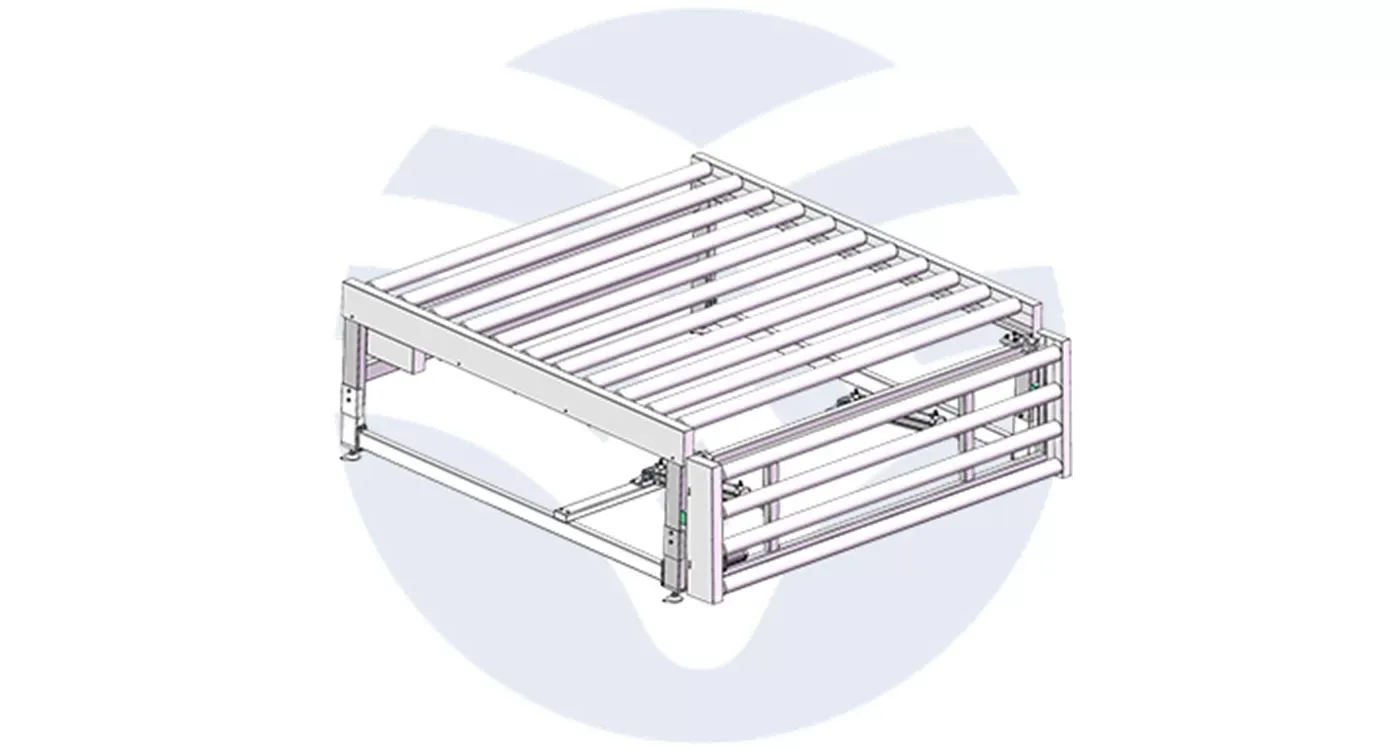
Mattress Flipping Machine: The Modern Solution
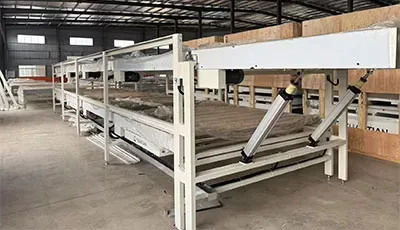
The introduction of a mattress flipping machine presents a solution for manufacturers to reduce the number of manual workers required to manufacture their products. A mattress flipping machine will eliminate the need for additional manual workers to flip heavy mattresses and do the task with minimal human supervision. The reduction in manual workers allows for the reallocation of your workforce to increased value-added tasks (e.g., quality control, equipment monitoring, packaging), improving productivity because of more efficient labour usage.
The use of an automated mattress flipping machine will also provide increased operational efficiency for manufacturers. Automated systems can provide a consistent and continuous pace of operation (not subject to variances due to fatigue or inconsistencies), which means that manufacturers will be able to increase their cycle times (the time it takes to produce one mattress), increase the number of mattresses produced during each shift (the number of mattresses produced), and more easily integrate into existing production lines, allowing the manufacturer to provide more dependable delivery of mattresses to meet their demand.
Moreover, the safety of the workers will be enhanced by using a mattress flipping machine to eliminate manual handling of mattresses. Manual handling of mattresses requires heavy lifting and involves the risk of repetitive strain injuries, which can lead to significant injuries. Machine-driven systems can substantially decrease accidents and injuries from flipping mattresses. As workplace accidents decrease, the cost of workers’ compensation will also decrease.
In an automated process, each mattress flip is processed similarly to one another. When many different people are producing, handling and maintaining mattress flips, they are likely to be handled differently and, thus, are more likely to be damaged. Using automated systems can effectively avoid this problem, thereby improving the consistency between mattresses produced, reducing scrap rates, and comprehensively improving the overall manufacturing process and quality standards.
Cost Comparison: Manual vs Machine
The single largest consideration when comparing manual vs. machine mattress flipping is the balance between the purchase price for the equipment and savings over time. Manual mattress flipping has the lowest initial purchase cost, but it will typically have ongoing costs (wage, training, turnover replacement) that will ultimately result in much higher cost over the life of the machine. Conversely, automated mattress flipping equipment has high initial purchase costs, but will yield cost savings over the remaining years of operation and provide higher productivity.
From a cost perspective, manual mattress flipping processes incur ongoing costs associated with warrior costs, training and replacement costs due to turnaround; whereas an automated mattress flipping machine has much lower dependence on labour, thus providing a stabilised, high-output, safe process at a reduced cost.
Typically, ROI for automated mattress flipping machines is short-lived. This is a result of reduced workforce requirements and increased productivity; therefore, all mattress manufacturers using automated mattress flipping equipment are expected to achieve approximately 1-2 years of payback, followed by continued cost savings on a permanent basis.
Why Choose Yuantian?
As a professional manufacturer of mattress machinery, Yuantian is committed to providing reliable and high-performance solutions tailored specifically for modern production environments. Our mattress flipping machines feature a sturdy and durable structural design, ensuring long-term stable operation and continuous operation even in harsh factory conditions. At the same time, we attach great importance to the user-friendliness of the control system, aiming to enable operators of different skill levels to easily get started and achieve a simple, efficient and easy-to-learn operation experience.
In addition, Yuantian also has strong customization capabilities, which can meet the diverse needs of different production lines and the specific requirements of various manufacturing processes. Choosing Yuantian, manufacturers not only receive advanced mattress flipping equipment, but also gain a reliable long-term partner – we will wholeheartedly assist you in improving operational efficiency, increasing productivity, and reducing overall production costs.
Conclusion
If comparing the mattress flipping machine with manual operation, the advantages of automation technology become obvious. Although manual operation seems to have a cost advantage in the initial stage, in the long run, it often leads to higher overall expenses, increased safety risks, and difficulty in maintaining stable production efficiency.
Investing in purchasing a mattress flipping machine is a strategically significant decision. It not only significantly enhances production efficiency and safety, but also brings quantifiable cost savings over time. For manufacturers who aim to maintain market competitiveness and achieve scale expansion, automation is no longer a “luxury” but an indispensable “necessity”.
If you are looking to optimize your production line, now is the right time – choose Yuantian, upgrade your mattress flipping equipment, and move towards a more efficient production future.